 English
 Russian
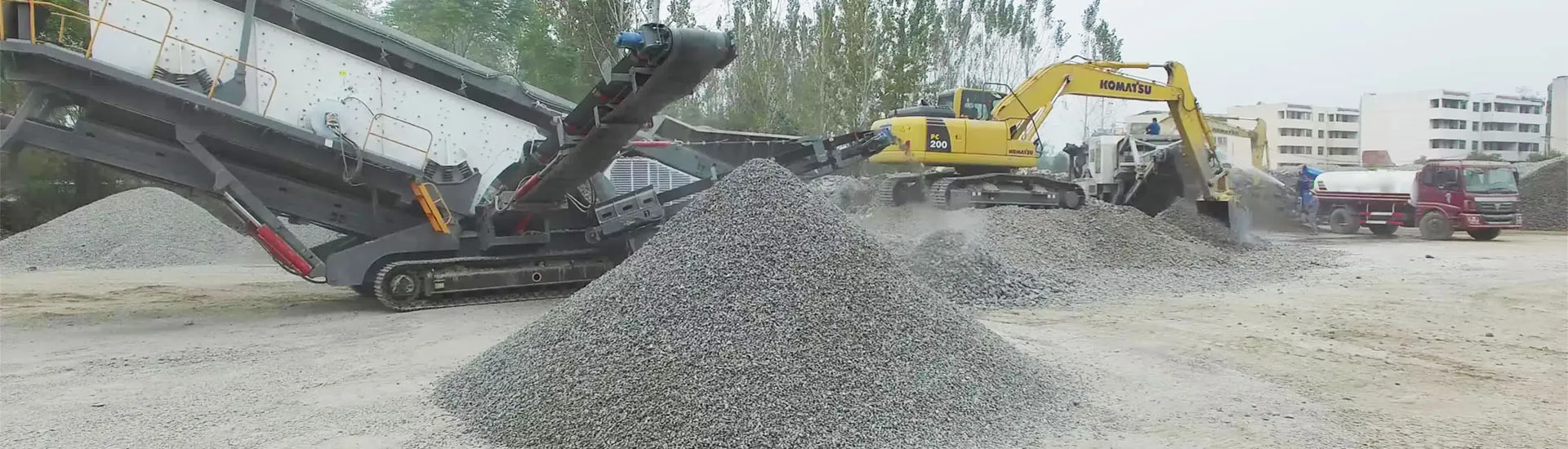
In industries such as mining and building materials processing, crushers are core production equipment, and their operational stability directly determines the efficiency of the production line. However, in actual operations, crusher blockages occur frequently. These not only force production lines to stop but can also lead to secondary issues such as generator overload and burnout or accelerated component wear, causing serious economic losses. Many maintenance personnel are at a loss when facing blockages, unsure of the root cause, and blindly attempting to clear the blockage can even lead to safety accidents. This article will, based on practical experience from production lines around the world, thoroughly analyze the main causes of crusher blockages, provide scientific and efficient clearing methods, and offer long-term preventive techniques to help you completely solve this production pain point.
6 Major Causes of Crusher Blockages: Accurate Identification Is Key to Solutions
Crusher blockages are not accidental; they are mostly related to material characteristics, equipment condition, and operational procedures. Although the causes of blockages vary among different types of crushers (jaw, impact, etc.), the core triggers are highly consistent and can be mainly categorized into the following six types:
1.Material properties not meeting standards: moisture, particle size, and viscosity are the 'culprits'
Excessive moisture content in materials is one of the most common causes of blockages. When the moisture content of materials exceeds 15%, they tend to adhere to the walls of the crushing chamber, impact plates, screens, and other parts after crushing, gradually accumulating to form 'mud cakes,' which narrow the crushing passage and eventually cause blockages. In addition, if oversized materials are mixed into the feed (exceeding the maximum feed opening of the equipment), they can get stuck at the top of the crushing chamber and fail to fall. Similarly, materials with high stickiness and high clay content can clump together, making them difficult to crush and discharge. A case from an iron ore operation showed that during the rainy season, the raw material moisture reached 12%, causing the discharge port blockage frequency to triple, clearly illustrating the impact of material moisture on equipment operation.
2.Improper feeding operations: excessive quantity, too fast, or uneven feeding causing 'machine choking'
Some operators, in pursuit of production efficiency, blindly speed up the feeding rate and increase the material input, causing the material to enter the crushing chamber faster than the equipment's crushing and discharge capacity, leading to a buildup-type blockage. At the same time, uneven feeding (for example, when the belt conveyor speed fluctuates more than ±15%) can result in excessive differences in material accumulation height within the crushing chamber, creating localized high pressure and triggering localized blockages. It is worth noting that when the feeding amount is too large, the crusher's ammeter needle will show a significant deviation. If operations continue beyond the rated current, it can not only cause blockages but also potentially burn out the motor.
3. Unstable discharge system: Finished products 'backflow' causing accumulation
If the crushed product cannot be discharged in time, it will backflow into the crushing chamber and combine with the incoming material to form a blockage. This problem is often caused by improper adjustment of the discharge port size (too small, resulting in poor discharge), slow speed of the conveying equipment at the discharge end (such as a belt conveyor), or screen blockages that affect material throughput. For example, a certain sand and gravel plant experienced fine material backflow and blockage after the wedge bolt broke, causing the discharge port to be expanded from 50mm to 70mm, further highlighting the importance of the discharge system's condition.
4.Wear and aging of equipment components: Crushing capacity 'shrinks'
The jaw plate, hammer plate, side guard plate, and other parts of the crusher are core crushing components and will wear down after long-term use. When the jaw plate teeth are worn beyond 50% of their original size, the crushing force will decrease by 30%-40%, preventing large materials from being crushed adequately and making them prone to getting stuck at the discharge port. When the main bearing clearance exceeds 0.5mm, the resistance of the moving jaw increases by 25%, which can also lead to jamming. In addition, transmission system failures such as loose V-belts or bushings can cause a decrease in flywheel speed, reducing crushing efficiency and indirectly causing blockages.
5. Irregular operating procedures: unauthorized start and stop, unstable voltage adding risks
Restarting immediately after an emergency shutdown without cleaning the residual material in the crushing chamber is a major cause of secondary blockage, with such operations leading to a 65% probability of material blockage. At the same time, fluctuations in grid voltage (10% below the rated value) can reduce motor output power by 19%, lower the eccentric shaft speed, decrease crushing capacity, and ultimately cause blockages. At a certain mine, due to unstable voltage, the downtime caused by material blockage accounted for 12% of the total production time, resulting in significant efficiency loss.
6. Foreign objects mixed in: metal, wood, and other “hard defects” causing the equipment to jam
If materials contain metal blocks, rebar, wood, or other non-crushable items, they can get stuck directly in the crushing chamber or discharge port, causing the equipment to stop working properly. A certain sand and gravel plant once had a 400mm diameter discarded steel beam mixed in the feed, which completely jammed the jaw crusher's discharge port. Cutting the steel beam and replacing the damaged parts took 6 hours, resulting in heavy economic losses.
Quick clearing by scenario: safe and efficient, avoiding secondary damage
When facing a crusher blockage, the primary principle is 'safe operation,' and it is strictly forbidden to clean it while the machine is running. The procedure 'stop-power-off-tag-inspect-clear' must be followed, and targeted measures should be taken according to the severity and cause of the blockage:
1. Minor blockage (material stuck at the discharge port or accumulated at the feed port)
If there is only a local blockage at the discharge port or material accumulation at the feed inlet, you can first stop feeding, cut off the power supply to the equipment, and hang a 'Do Not Close' warning sign. Then, use a crowbar or hydraulic jack to apply force alternately from both sides of the discharge port to gradually loosen the blockage; accumulated material at the feed inlet can be cleared manually until it is within the equipment's rated feeding capacity. After cleaning is completed, start the equipment to run empty for 10 minutes to observe whether the discharge is smooth and whether the current and vibration values are normal, then resume feeding operations.
2.Severe blockage (large accumulation of material and adhesion in the crushing chamber)
When a large amount of material accumulates in the crushing chamber or the material is severely stuck, the protective plate below the discharge port should be removed, and a pneumatic hammer or high-pressure water gun can be used to dislodge the material (be careful not to damage any equipment components). If the material is tightly adhered, a small amount of vegetable oil or a special anti-sticking agent can be sprayed, and cleaning should be carried out after waiting for 10-15 minutes. For impact crushers, preheating the impact plates and the feed opening can also help reduce material adhesion and assist in clearing. After cleaning, it is important to check whether the lining plates and tooth plates in the crushing chamber are damaged and replace them if necessary.
3. Foreign object stuck (metal, wood, etc.)
If it is confirmed that foreign objects such as metal or wood are stuck, an oxy-acetylene cutting machine should be used to cut large foreign objects (such as steel beams or rebar), or lifting equipment should be used to remove the foreign objects. Ensure that the equipment is securely fixed before operating. After removing the foreign objects, a thorough inspection of the crushing chamber structure should be conducted to check for any abnormalities, and to ensure that parts such as the elbow plate and adjustment seat are properly tightened, in order to prevent hidden damage caused by the impact of foreign objects.
Long-term prevention: Avoid problems at the source and improve equipment operational stability
Compared to resolving issues after they occur, preventing them in advance is more effective in reducing the likelihood of blockages and improving production line efficiency. Based on practical experience from multiple locations, a prevention system can be established from three dimensions: material management, equipment maintenance, and operational standards.
1. Optimize material management: control at the source to reduce risks
Pre-screening and Pre-treatment: Install a vibrating screen in front of the crusher, with the screen opening set to 1.2 times the maximum size of the discharge port to intercept oversized materials. For materials with moisture content exceeding 12%, pre-treat by sun-drying or drying to reduce the moisture content below 8%, or add anti-caking agents to reduce adhesion.
Foreign Object Interception: Install metal detectors and grates at the feed inlet to provide dual interception of metals, wood, and other non-crushable materials, preventing foreign objects from entering the crushing chamber.
Uniform Feeding: Install a variable frequency feeder, and adjust the feed rate in real time according to the material level in the crushing chamber. When the chamber fill rate exceeds 70%, automatically reduce the feed speed by 20% to ensure the feed amount remains stable at 80%-90% of the equipment's rated processing capacity.
2. Strengthen equipment maintenance: conduct regular inspections and stop losses promptly
Key Component Management: Establish wear records for easily worn parts such as jaw plates and hammer plates. Replace the jaw plates after processing 200,000–300,000 tons of material. Flip or replace the hammer plates and impact plates in a timely manner based on wear. Add grease to the main bearing every 500 operating hours, and replace immediately if the clearance exceeds 0.3mm.
Discharge Port Dynamic Adjustment: Adjust the discharge port width each shift according to the material hardness (widen by 5–10mm for hard rock, narrow for soft rock) to ensure smooth discharge. Regularly check the bolts of the wedge adjustment device to prevent abnormal discharge port dimensions.
Drive System Inspection: Regularly check the tension of the V-belt, using a tension meter to ensure the slack is within the 1.5%-2% range. Replace the belt every 2,000 operating hours to prevent aging and breakage.
3. Standardize operational procedures: training and empowerment to reduce human errors
Standardized Start-Stop: Establish a "three-step shutdown method": first stop feeding → after the crushed material in the chamber is cleared, stop the main machine → finally stop auxiliary equipment; before restarting, residual materials must be cleaned to prevent secondary blockages.
Voltage Stability Assurance: Install a voltage stabilizer to control voltage fluctuations within ±5%; in areas with weak power grids, provide a diesel generator as a backup power source to prevent a decline in crushing capacity caused by voltage fluctuations.
Personnel Training: Regularly organize training on equipment operation and troubleshooting, with a 100% pass rate required for assessments; conduct a blockage emergency handling drill once per quarter to ensure all personnel are proficient in the safety clearing procedures.
Typical Case: Learning from Practical Experience
Case 1: Solution for Blockage Caused by Excessive Material Moisture
A cement plant experienced a material moisture content of 18% during the rainy season, and after running continuously for 2 days, the jaw crusher's discharge port became completely blocked. The handling method was to stop the machine, wash the accumulated material with a high-pressure water gun, adjust the discharge port width to 120mm, and add a rotary dryer to pre-treat the material. After the improvements, the material moisture content was controlled at ≤10%, the discharge port blockage rate decreased by 80%, and the equipment operating efficiency increased by 30%.
Case 2: Lessons Learned from Blockages Caused by Foreign Objects
A crushed stone plant had a 400mm diameter scrap steel beam mixed into the feed, causing the jaw crusher discharge port to jam. It took 6 hours to cut and remove the obstruction and replace the damaged jaw plate and toggle plate. Subsequent improvements: a metal detector and a grille were installed at the feed inlet, and a feed inspection process was established to prevent foreign objects from entering the crushing chamber. This completely solved such blockage problems.
Summary: The Core Logic for Solving Blockages
The key to solving crusher blockages lies in 'accurately identifying the cause, operating safely and according to regulations, and implementing long-term prevention at the source.' By optimizing material pretreatment, strengthening daily equipment maintenance, and standardizing operating procedures, blockage frequency can be reduced by over 90%, significantly improving overall equipment efficiency. For production lines around the world, whether using jaw or impact crushers, following the cause analysis, clearing methods, and prevention tips outlined in this article can effectively avoid blockage risks and reduce downtime losses.
If you encounter a special type of crusher blockage in actual operation, feel free to leave a comment, sharing your equipment model, material characteristics, and blockage situation, and we will provide you with targeted solutions!