 English
 Russian
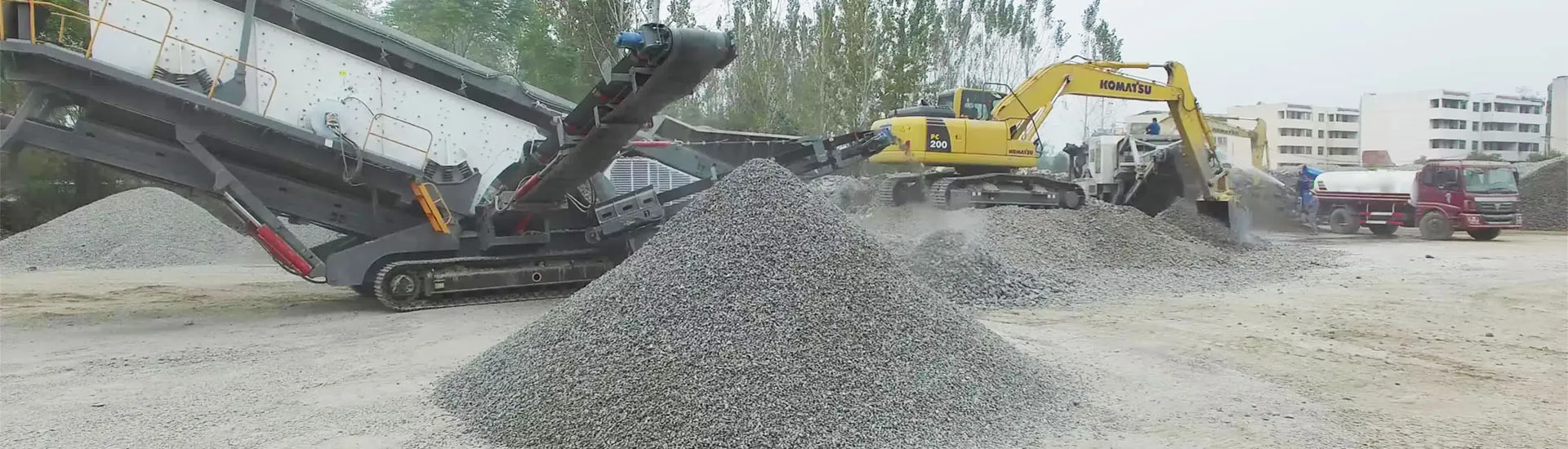
In the grinding stage of industrial production, the ball mill has always held a core position. Whether it is the fine crushing of ore after mining, the grinding of raw materials in the building materials industry, or the material purification in the chemical field, the assistance of this 'industrial behemoth' is indispensable. Many companies often encounter problems such as difficulty in selection, low efficiency, and high maintenance costs when purchasing and using ball mills. Today, we will comprehensively break down the ball mill from basic understanding to practical application, helping you quickly grasp the key knowledge points.
The core working principle of the ball mill: a simple yet efficient 'grinding logic'
The working principle of a ball mill is actually not very complicated. The core is to use a combination of "impact and grinding" to crush large materials into fine particles. Its main structure is a horizontally placed rotary cylinder, which contains a certain amount of grinding media inside (commonly steel balls, steel segments, etc.).
When the motor drives the cylinder to rotate through a transmission device, the grinding media inside the cylinder are lifted to a certain height under the action of centrifugal force and friction, and then fall freely under gravity, exerting a strong impact on the material in the cylinder. At the same time, during the rotation of the cylinder, the grinding media also slide and roll with the material and the cylinder liner, grinding and pressing the material. After repeated impacts and grinding, the material ultimately reaches the required fineness and is discharged through the outlet.
Key point: The grinding efficiency of the ball mill is closely related to the type, size, and filling rate of the grinding media, as well as the cylinder speed. Properly matching these parameters is the key to improving efficiency.
Common Types of Ball Mills: How to Choose for Different Situations?
According to different classification criteria, ball mills can be divided into various types. The most commonly used method is based on the ore discharge method and the state of the grinding medium. The following are several mainstream types and their applicable scenarios:
1. Classification by ore arrangement method: Grid type vs Overflow type
Grid Type Ball Mill: The discharge end is equipped with a grid plate, through which materials of qualified particle size are discharged through the holes in the grid plate. Its characteristics are fast discharge speed and high production efficiency, making it suitable for coarse or medium grinding operations, such as the first stage of ore grinding in the mining industry.
Overflow Type Ball Mill: There is no grid plate, and the material is ground in the cylinder to the required particle size, then naturally overflows and is discharged along with the slurry from the outlet. Its characteristics are finer and more uniform grinding products, making it suitable for fine grinding operations, such as grinding cement clinker in the building materials industry.
2. Classification by grinding medium state: Dry vs Wet
Dry Ball Mill: No water is added during the grinding process, and the fine powder is carried out by air. It is suitable for materials that are not moisture-sensitive, such as coal and gypsum, and is commonly used in industries like thermal power generation and building materials.
Wet Ball Mill: An appropriate amount of water is added during the grinding process to form a slurry, and the materials are ground within the slurry. The advantages include high grinding efficiency, uniform product particle size, and reduced dust pollution. It is widely used in industries such as mining, chemical, and metallurgy, for example, grinding of non-ferrous metal ores before flotation.
Ball Mill Selection Tips: Avoid These Pitfalls and Accurately Match Your Needs
Selecting the right type is the first and most crucial step in using a ball mill. Choosing correctly can directly reduce production costs and improve production efficiency. Here are three key points for selection:
1. Clarify material characteristics
First, it is important to understand the parameters of the material to be ground: ① Material hardness (for hard materials such as granite or quartz, choose a model with stronger grinding capability); ② Material moisture content (materials with high moisture are suitable for wet ball mills to avoid clumping); ③ Feed particle size and required discharge particle size (if the feed particle size is large, a preliminary crushing process is needed, while for a finer discharge particle size, an overflow type is preferred).
2. Determine the production scale
Choose the appropriate ball mill specifications based on the company's daily and hourly production requirements. If the specifications are too small, it will lead to insufficient capacity and affect the efficiency of the overall production line; if the specifications are too large, it will result in idle equipment and wasted energy. Generally speaking, the capacity of a grate-type ball mill is higher than that of an overflow-type mill of the same specifications, making it suitable for large-scale production.
3. Consider the environment and cost
In terms of usage environment, areas with strict dust control should prioritize wet ball mills, while dry mill types are more suitable for arid regions. Regarding costs, it is necessary to comprehensively consider equipment purchase costs, energy consumption, and maintenance costs (such as the wear of steel balls and the frequency of liner replacements) to choose the most cost-effective model.
Core Application Areas of Ball Mills: The 'Grinding Expert' Covering Multiple Industries
With its efficient grinding capability, the ball mill is applicable to almost all industrial sectors that require ore grinding. Here are a few typical industries:
1. Mining industry
This is the primary application field of ball mills. Whether it is non-ferrous metal ores such as gold, silver, and copper, or ferrous metal ores such as iron and coal, it is necessary to grind the large mined ore into fine powder using a ball mill for subsequent beneficiation processes like flotation and magnetic separation.
2. Building materials industry
In cement production, ball mills are used to grind cement clinker, gypsum, and other raw materials to produce finished cement; in ceramic production, they are used to grind ceramic raw materials, improving the uniformity and fineness of the materials to ensure the quality of ceramic products. In addition, the production of glass, refractory materials, and other products also relies on ball mills.
3. Chemical industry
Used for grinding chemical raw materials, such as pigments, dyes, and fertilizers, to improve the reaction efficiency of the raw materials and the purity of the products. In the petrochemical field, it can also be used for grinding and regenerating catalysts.
4. Other industries
In the metallurgical industry, it is used for the pretreatment of metal ores; in the environmental protection industry, it is used for the stabilization treatment of incineration fly ash, and for grinding and dewatering of sewage sludge, etc.
Summary: Choosing and using the right ball mill can help improve production quality and efficiency.
As the core equipment for industrial grinding, the performance of a ball mill directly affects the efficiency and cost of the entire production line. Understanding the working principle and type characteristics of ball mills, mastering scientific selection techniques, accurately matching the model based on your material properties and production needs, and properly performing daily maintenance and care are all essential to fully leverage the performance advantages of a ball mill. If your company has any other questions regarding ball mill selection or usage, feel free to leave a comment in the section below, and we will respond to you promptly!