 English
 Russian
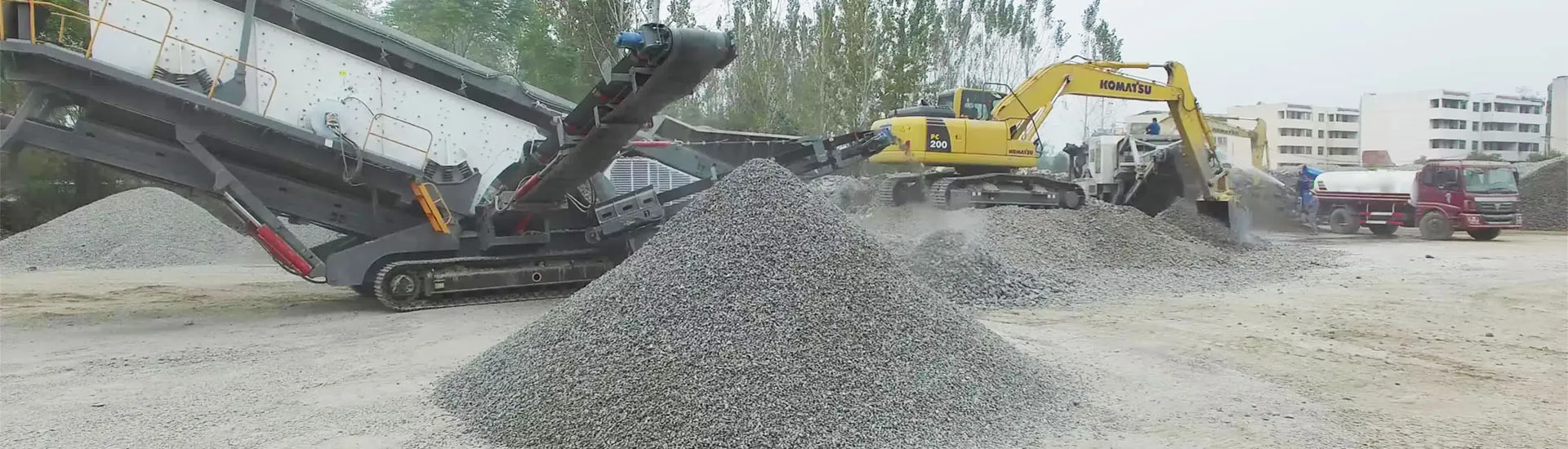
For stone yard owners and project managers, the primary search queries revolve around cost, efficiency, and reliability. Selecting the right crushing equipment is the most critical factor for maximizing Return on Investment (ROI) in any aggregate project.
I. The Core Choice: Stationary vs. Mobile Crusher Cost Analysis
Users frequently search: "stationary crusher vs mobile plant cost" and "operational cost per ton."
Stationary Plants: Offer the highest Throughput Per Hour (TPH) potential for large, long-term quarry projects. However, the initial capital expenditure (CAPEX), permit costs, and high relocation expense are major factors.
Mobile Crushing Plants (e.g., Mobile Jaw Crusher): Deliver flexibility and significantly lower civil engineering costs. They are ideal for projects that require frequent setup changes or processing material closer to the blast face. This reduces haulage costs, a key factor in improving your overall crushing efficiency and lowering the cost per ton.
II. Technical Focus: Calculating Efficiency and TPH
A common technical search is "how to calculate crusher TPH" or "best jaw crusher reduction ratio."
Efficiency is calculated not just by maximum output, but by uptime. New equipment integrates Predictive Maintenance systems, using sensors to monitor vibration and oil temperature. This proactively flags wear parts, minimizing costly, unscheduled downtime. When choosing a crusher, focus on models known for optimal reduction ratio and using durable, readily available wear parts to ensure consistent TPH.
III. Project Management Keywords
Successful projects rely on quick compliance. Users often search for "quarry project permitting guide" or "financing crushing equipment." Partnering with suppliers who offer integrated digital tracking tools and strong local service support ensures smoother project management from permitting to production.