 English
 Russian
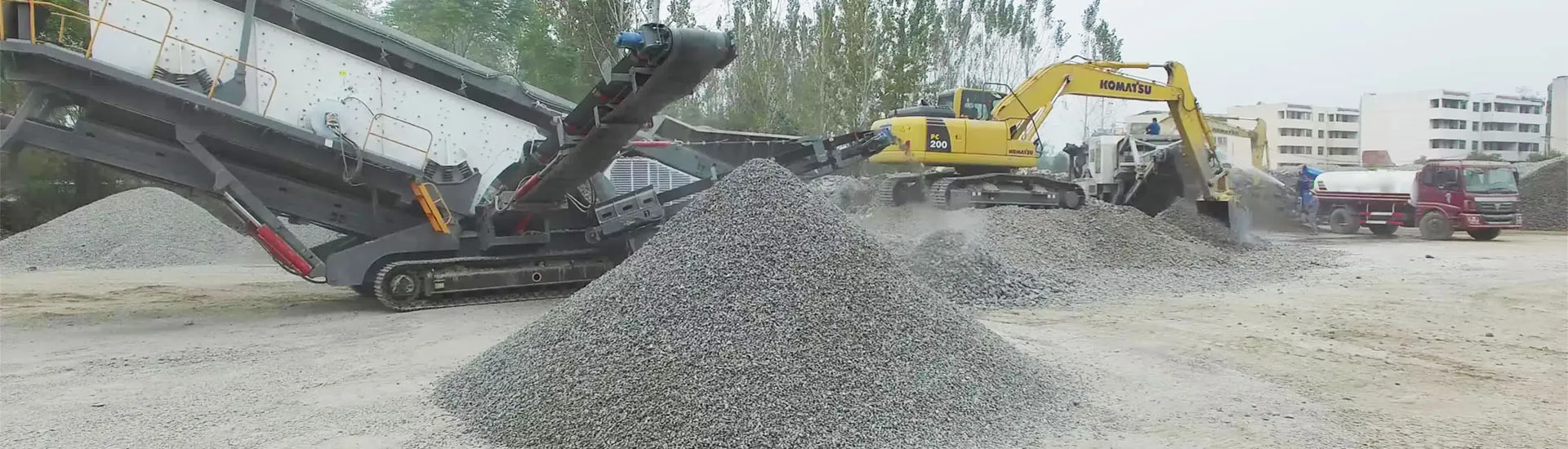
The gyratory crusher, particularly the eccentric hub bevel gear type, is the backbone of many primary crushing operations in mining and quarrying. Its performance relies on the smooth, synchronized operation of its core components. When defects arise, the resulting downtime can be costly. Understanding the most common defects and their root causes is the first step toward effective preventative maintenance.
1. The Critical Defect: Bevel Gear Pitting and Wear
The bevel gear and pinion transmit massive torque, making them prone to significant stress.
The Symptom: Rough, noisy operation, excessive heat in the drive-side oil, and visible metal flaking/pitting on the gear teeth.
Root Causes:
Improper Mesh Adjustment: The most frequent cause. Incorrect backlash leads to uneven load distribution and rapid fatigue.
Inadequate Lubrication: Using the wrong grade or insufficient oil leads to direct metal-to-metal contact.
Overloading: Consistently feeding material that exceeds the crusher's rated capacity.
Maintenance Tip: Always check the bevel gear-to-pinion mesh after replacing components. A dial indicator must be used to set the prescribed backlash tolerance.
2. Eccentric Hub Bushing and Bearing Failure
The eccentric hub assembly dictates the crushing motion. Failures here directly stop production.
The Symptom: Excessive mantle run-out, vibration, rapid increase in bearing/bushing temperature, and metal debris in the oil filters.
Root Causes:
Contamination: Dust and fine particles ingress due to worn seals, leading to abrasive wear on the bronze bushings.
Fatigue: Over time, the high cyclical load causes material fatigue and eventual cracking in the bronze or anti-friction bearings.
Oil Circulation Issues: Clogged oil lines or a failing oil pump can starve the crucial eccentric components of lubrication.
Maintenance Tip: Oil analysis is non-negotiable. Regular spectral analysis detects early signs of copper (bushings) or iron (bearings) wear before catastrophic failure occurs.
3. Pinion Shaft Seal Leakage
While seemingly minor, a seal leak is a gateway to major problems.
The Symptom: Oil leaking from the pinion shaft housing, or water/sludge ingress into the gearbox.
Root Causes:
Worn Seals: Natural deterioration over time.
Shaft Scratches: Poor handling during installation or abrasive material damage the shaft surface, preventing the seal from seating properly.
Excessive Case Pressure: A clogged breather vent can build pressure, forcing oil past the seals.
Maintenance Tip: Regularly inspect and clean the breather vent. When replacing seals, ensure the sealing lip is lubricated and the shaft surface is smooth.
4. Head and Mantle Loosening
If the mantle loosens, it severely impacts product size consistency and can damage the head.
The Symptom: Irregular product size, clicking sounds during operation, and visible movement of the mantle relative to the head.
Root Causes:
Improper Seating: The mantle may not have been fully seated (often using an epoxy backing material) during installation.
Shock Loading: Repeated impacts from uncrushable material (tramp iron).
Maintenance Tip: Always follow the manufacturer's specified procedure for pouring the epoxy backing material and check the locking mechanisms for correct tension.
Conclusion: The Power of Preventative Maintenance
Defects in the eccentric hub bevel gear gyratory crusher are often interconnected. Gear wear leads to vibration, which accelerates bearing failure. The key to maximizing your crusher's lifespan and reducing unscheduled downtime is a rigorous preventative maintenance schedule focusing on:
High-Quality Lubrication & Filtration.
Precise Gear Mesh Adjustment.
Regular Vibration and Temperature Monitoring.
What specific operational parameter are you currently struggling to maintain on your gyratory crusher?