 English
 Russian
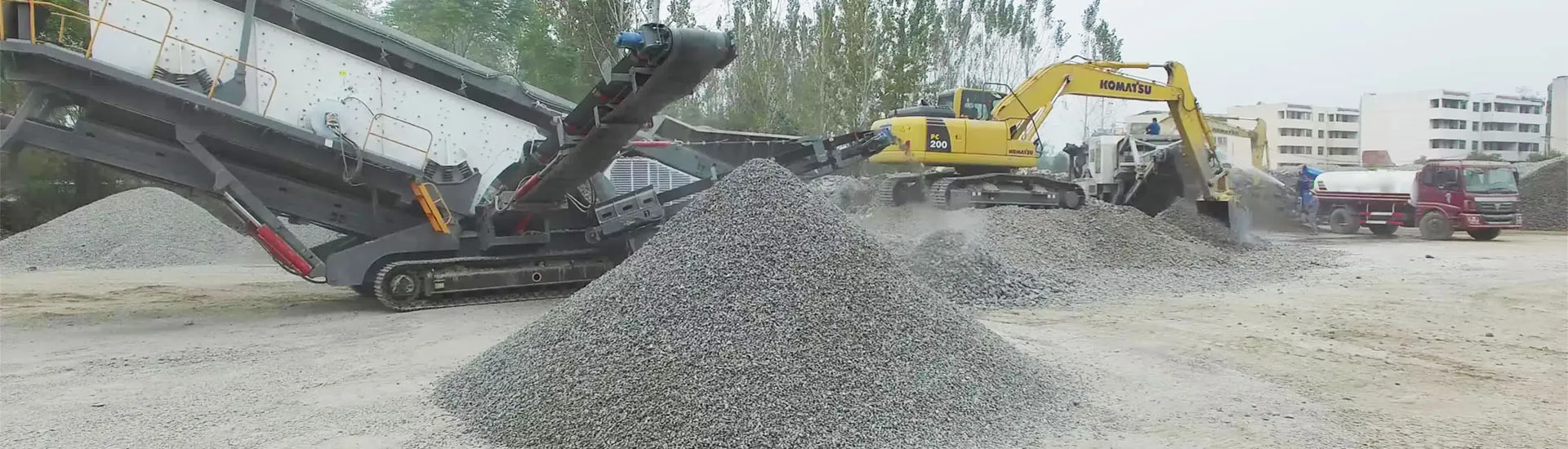
In the rugged terrain of African mining—from the gold mines of Ghana to the quarries of Kenya—efficiency is the difference between profit and loss. But when should you use a Jaw Crusher, and when is it time to switch to a Cone Crusher?
1. The Role in the Circuit
Jaw Crusher (The Heavy Lifter): This is your Primary Crusher. It takes large, raw boulders and breaks them down into manageable sizes. It’s the "first bite" of the process.
Cone Crusher (The Refiner): This is a Secondary or Tertiary Crusher. It takes the output from the jaw crusher and refines it into smaller, more uniform shapes required for construction or further processing.
2. Hardness and MaterialIf you are dealing with extremely hard or abrasive materials like granite or iron ore, both are capable, but they handle wear differently. The Jaw crusher is simpler to maintain in remote locations, while the Cone crusher provides a better "cubical" shape for high-quality concrete.
3. Maintenance & Operational Costs in AfricaWe understand that spare parts availability is crucial.
Jaw Crushers have fewer moving parts, making them easier to repair in remote areas.
Cone Crushers are more complex but offer higher automation and lower long-term costs per ton if managed correctly.
Summary Table
| Feature | Jaw Crusher | Cone Crusher |
| :--- | :--- | :--- |
|
Stage
| Primary | Secondary / Tertiary |
|
Feed Size
| Large | Medium / Small |
|
Output Shape
| Flaky / Elongated | Uniform / Cubical |
|
Maintenance | Easy / Manual | Technical / Automated |