 English
 Russian
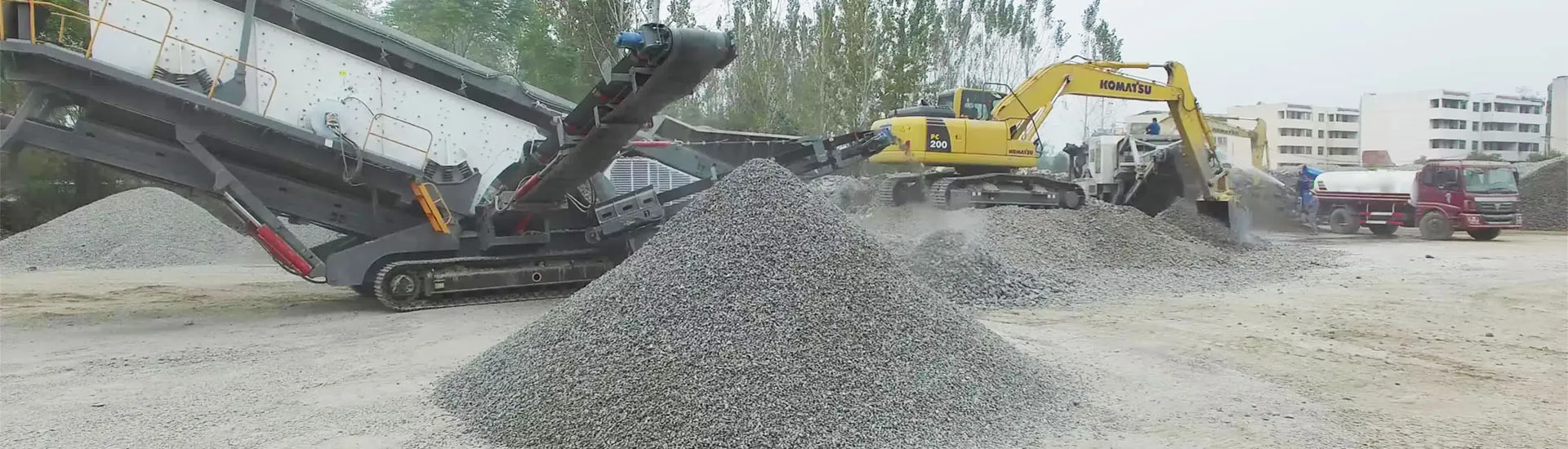
The Ultimate Guide to Crusher Efficiency: Maintenance Tips and Equipment Selection
In the high-stakes environment of a modern quarry or stone processing plant, downtime is the ultimate enemy of profitability. Whether you are managing a large-scale mining project or a local aggregate site, the efficiency of your crushing circuit determines your daily output. Two major factors often dictate this success: how well you maintain your hardware and how accurately you choose your machinery.
Understanding and Preventing Blockages in Crushers
One of the most common operational headaches is the frequent occurrence of blockages in crushers. A "bridged" crusher—where oversized rocks wedge together above the crushing chamber—can halt production for hours. These blockages are usually caused by inconsistent feed sizes or high moisture content in the raw material, which leads to "caking."
To minimize these interruptions, operators must ensure a steady, regulated feed. Utilizing automated vibrating feeders can prevent the "surge" loads that typically lead to a choked chamber. Furthermore, implementing a systematic clearing protocol is essential for safety; never attempt to clear a blockage while the flywheel is in motion.
The Role of the Jaw Crusher Toggle Plate
When discussing maintenance, the jaw crusher toggle plate is often overlooked, yet it is the most critical safety component in the machine. Think of the toggle plate as a mechanical fuse. Its primary function is to protect the more expensive components—like the eccentric shaft and the mainframe—if an uncrushable object (such as tramp metal) enters the chamber.
If the pressure exceeds the machine's limits, the toggle plate is designed to shear or bend, instantly stopping the crushing action. Replacing a toggle plate is a standard maintenance task, but neglecting to inspect it for wear can lead to catastrophic failure of the entire jaw assembly.
Making the Choice: Cone Crusher vs. Jaw Crusher
Selecting the right machine for the right stage of production is vital. When comparing a cone crusher vs. jaw crusher, the primary difference lies in their application.
Jaw Crushers are almost exclusively used as primary crushers. They are designed to handle large, hard, and abrasive materials, reducing them to a size manageable for secondary stages.
Cone Crushers are typically used in the secondary or tertiary stages. They offer a much higher reduction ratio and produce a more cubical end product, which is essential for high-quality concrete and asphalt aggregates.
Refining the Output: Cone Crusher vs. Impact Crusher
Once you move past the primary stage, the debate shifts to cone crusher vs. impact crusher. This choice depends entirely on the hardness of the rock and the desired shape of the final aggregate.
Cone crushers use compression to break material, making them ideal for hard, abrasive rocks like granite or basalt. They have lower wear costs but a higher initial investment. Impact crushers, on the other hand, use high-speed striking forces. They excel at processing softer, non-abrasive stones like limestone and are unmatched in producing perfectly cubical shapes. However, if used on highly abrasive material, the wear on the blow bars becomes prohibitively expensive.
By understanding these mechanical nuances—from the protective function of a toggle plate to the specific applications of secondary crushers—quarry managers can significantly reduce downtime and maximize their ROI.