 English
 Russian
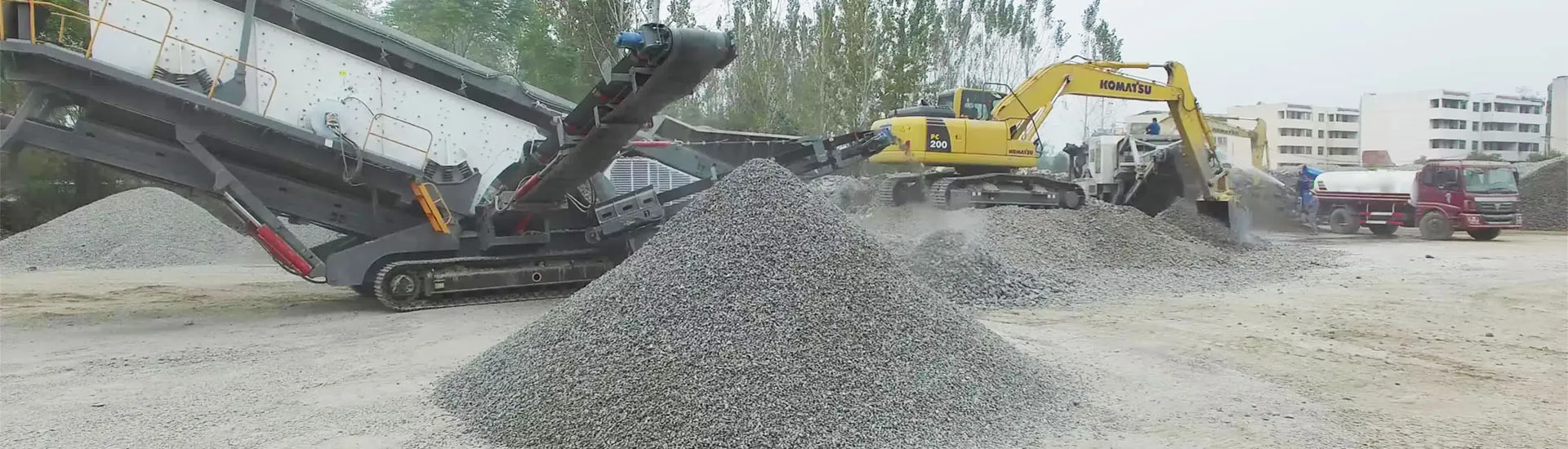
A vibrating feeder is a common feeding equipment used in production lines to uniformly and continuously supply block or granular materials to receiving equipment, serving as the first step in the entire production process. The installation and operation of a vibrating feeder significantly impact the production line's performance. Today, we share insights on vibrating feeder installation, operation, and troubleshooting.
Installation and Use of Vibrating Feeder
For batching or quantitative feeding to ensure uniform and stable material flow and prevent self-flow, the vibrating feeder should be installed horizontally. For general continuous feeding of materials, it can be inclined downward at 10°. For viscous materials or those with high moisture content, a 15° downward inclination is acceptable.
After installation, ensure a 20mm clearance around the vibrating feeder. It should be horizontally level laterally, with suspension devices using flexible connections.
Before no-load test running, fasten all bolts once, especially the anchor bolts of the vibration motor. After continuous operation for 3-5 hours, retighten them.
Regularly check the amplitude, vibration motor current, and motor surface temperature during operation. Ensure consistent amplitude front-to-back, no lateral swinging, and stable motor current. If any abnormalities are found, stop the machine immediately for inspection.
Lubrication of the vibration motor bearings is crucial for the normal operation of the vibrating feeder. Regularly lubricate the bearings with grease every two months, monthly during high-temperature seasons, and overhaul the motor every six months to replace internal bearings.
Operational Precautions for Vibrating Feeder
1. Before Starting
1). Inspect and remove any materials or debris affecting movement between the body, chute, springs, and support frame.
2). Check that all fasteners are fully tightened.
3). Ensure the lubricating oil in the exciter is above the oil mark level.
4). Check the transmission belt for damage; replace if worn and clean if oily.
5). Inspect protective devices for proper condition; address any unsafe issues promptly.
2. During Use
1). Start only after confirming the machine and transmission parts are normal.
2). Always start under no-load conditions.
3). If any abnormalities are detected after starting, stop immediately. Restart only after identifying and resolving the issue.
4). Only feed materials after the machine achieves stable vibration.
5). Feeding should meet load test requirements.
6). Follow the procedural sequence for shutdown; avoid stopping with materials or continuing feeding during/after shutdown.
Common Vibrating Feeder Faults and Solutions
1. Normal No-Load Test but Reduced Amplitude During Production
If amplitude decreases during normal operation after a successful no-load test, it may be due to improper feed chute design, causing excessive load and pressure on the trough. Improve the feed inlet promptly to reduce pressure and ensure stable operation.
2. No Vibration or Intermittent Operation, Unstable Current After Power-On
Burnt vibration motor fuses or coil wire short circuits can directly prevent vibration. Replace fuses promptly, inspect the vibration motor coil layers or turns for shorts, and ensure proper wiring.
3. Small Amplitude, Exciter Unable to Adjust Amplitude Normally
If the machine doesn't vibrate or operates intermittently with unstable current after power-on, the exciter's thyristor might be broken down by excessive voltage/current, or gaps between components may be clogged with material. Clear blockages and replace the thyristor. Note: After prolonged operation, short circuits in the thyristor's electromagnetic coil can burn out the rectifier, requiring coil replacement.
4. Noise and Impact Sounds During Operation
Irregular amplitude can cause abnormal impacts. Broken leaf springs or loose/broken connecting bolts between the exciter and trough lead to irregular vibration. Tighten or replace bolts and springs, maintain proper gaps (e.g., between core and armature), and adjust motor control to maintain rated voltage, preventing part collisions and voltage instability.
5. Abnormal Amplitude of Vibrating Feeder
1). Unstable rated voltage can cause the exciter's thyristor to break down from excessive current, with coil short circuits potentially burning the thyristor, preventing amplitude adjustment. Ensure stable voltage, replace burnt coils or thyristors, and check thyristor wiring and over-current protection.
2). Gaps between parts prevent wear from collisions, but material can jam, causing blockages that restrict exciter force and amplitude adjustment. Keep material flow normal, clear jams promptly, and ensure flexible, reliable amplitude adjustment.
6. No Feeding or Insufficient Feed
Causes:
1). Silo load compressing the trough, fatiguing or breaking leaf springs and connecting forks.
2). Overfeeding causing material buildup in the base, increasing screw conveyor resistance and hindering hopper operation.
3). Small amplitude due to exciter issues like thyristor breakdown or material-clogged gaps.
4). Core-armature gap not within 2.0±0.1mm, affecting feeding capacity.
Solutions:
Ensure feed and discharge ports aren't rigidly connected to other equipment, allowing trough movement without affecting amplitude.
Reduce feed volume immediately and maintain uniform feeding.
Clear clogged material and replace exciter thyristor.
Adjust the gap appropriately.
In vibrating feeder operation, besides prompt fault repair, strengthen daily maintenance. Proper maintenance effectively reduces part wear and extends service life.