 English
 Russian
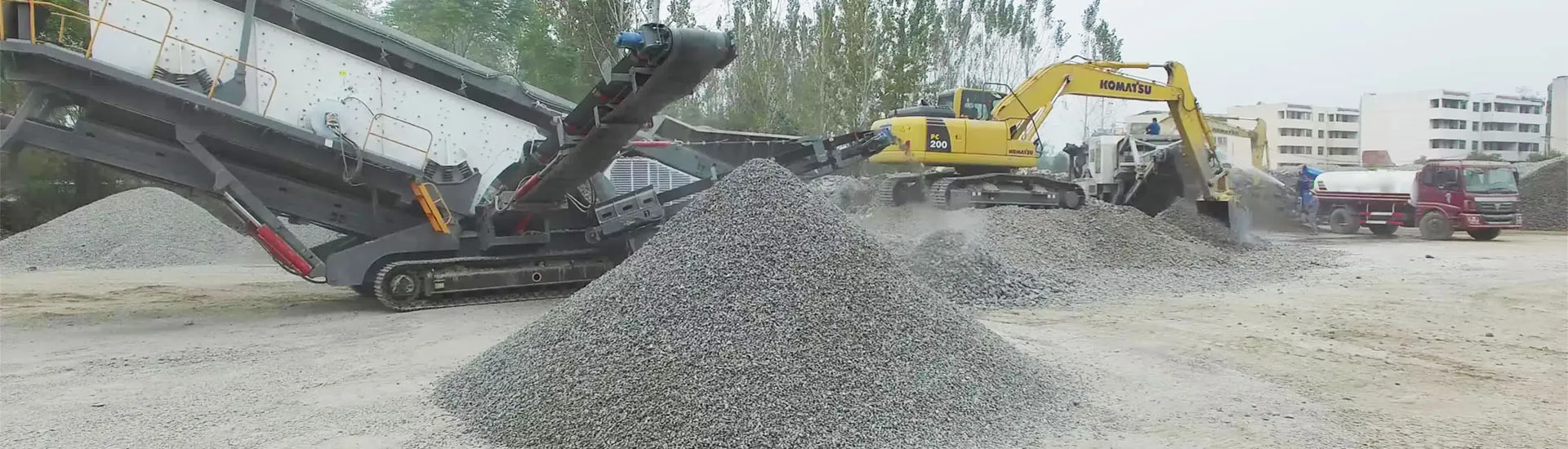
Have you ever considered the journey of stone, from a rugged rock to a smooth, durable road? The transformation is made possible by stone crushers, the workhorses of the construction and mining industries. The quality and size of the aggregates they produce are fundamental to the integrity of both asphalt concrete and cement concrete.
The Crucial Role of Sized Aggregates
A stone crusher does more than just break down large rocks; it precision-engineers the resulting material into specific sizes. This is not a one-size-fits-all process. For asphalt concrete used in paving, a well-graded mix of coarse and fine aggregates is vital. The interlocking of coarse particles provides structural strength and stability, while the fines fill the voids, creating a dense, compactible, and durable surface that can withstand traffic loads.
Similarly, in cement concrete, aggregates make up about 60-75% of the volume. Coarse aggregates act as the primary load-bearing component, while sand, a fine aggregate, fills the spaces between them. This combination reduces shrinkage and cracking, resulting in higher compressive strength and a more workable mix for various construction applications.
One Crusher, Multiple Projects
The true efficiency of a modern crushing plant lies in its versatility. A single setup, often a mobile crusher, can be configured to produce multiple aggregate specifications simultaneously. This means one operation can supply the exact materials needed for an asphalt plant one day and a concrete batching plant the next, maximizing productivity and return on investment.
By investing in the right crushing technology and understanding the precise aggregate requirements for different applications, your projects can achieve new levels of quality, efficiency, and cost-effectiveness. The road to a successful build truly starts at the crusher.