 English
 Russian
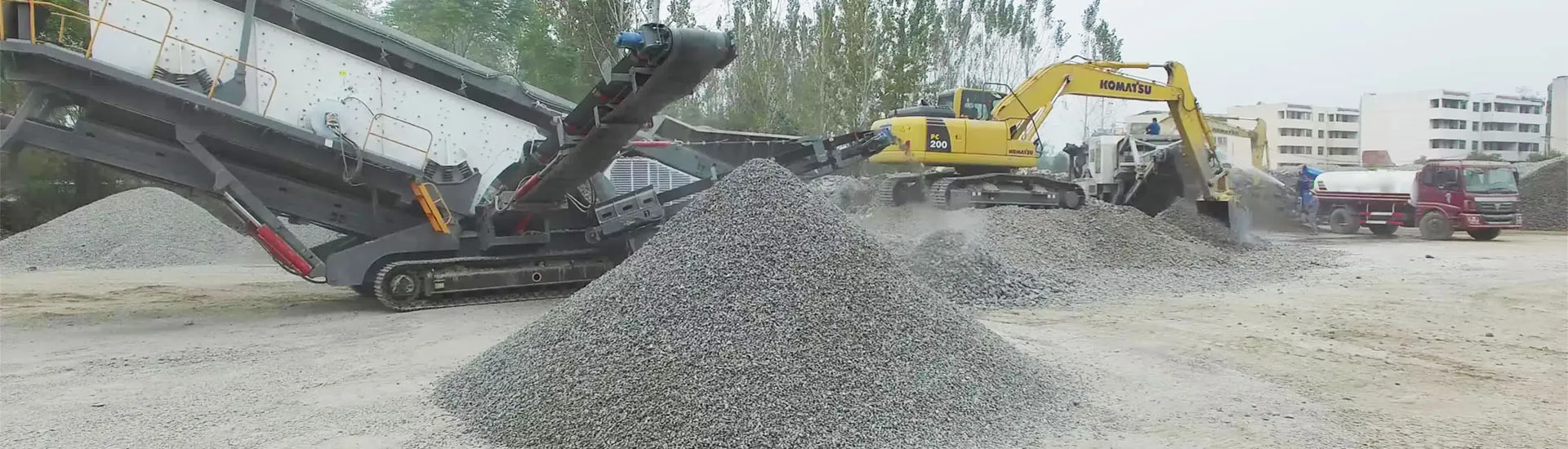
and Making Machine: Applications, Working Principle and Troubleshooting Guide
1. Applications of Sand Making Machine
The sand making machine is designed for crushing and shaping soft, medium-hard, and extremely hard materials. It is widely used in processing various ores, cement, refractory materials, bauxite, silicon carbide, glass raw materials, machine-made building sand, stone materials, and metallurgical slag. For high-hardness and highly abrasive materials like silicon carbide and sintered bauxite, it demonstrates higher production efficiency compared to other crusher types.
In engineering construction, it serves as an ideal equipment for producing machine-made sand, bedding materials, asphalt concrete, and cement concrete aggregates. In mining applications, it is commonly used in pre-grinding stages, effectively generating fine ore to reduce grinding load and operational costs. Its excellent wear resistance also makes it suitable for highly abrasive materials and secondary crushing operations.
Furthermore, the sand making machine achieves "zero contamination" crushing, making it particularly suitable for producing high-purity materials like glass quartz sand. With a capacity range of 10-500 t/h, it can flexibly meet various production requirements.
2. Working Principle
Material enters through the feed hopper and is divided into two streams by the distributor: one stream enters the high-speed rotating impeller where it is accelerated to hundreds of times gravitational acceleration and ejected at 60-70 m/s from the impeller channels; the other falls freely around the distributor.
The two material streams initially impact each other in the crushing cavity, then jointly strike the material lining in the vortex cavity. After rebounding, they diagonally impact the top and change direction, forming a continuous material curtain. The material undergoes multiple impacts, friction, and grinding within the vortex cavity, achieving efficient crushing. The crushed material is discharged from the bottom outlet, forming a closed circuit with the screening system. Typically, three cycles can reduce material size below 20 mesh.
Throughout the process, material is crushed through mutual impact and friction with the lining, avoiding direct metal contact. This reduces contamination and extends equipment service life. The clever airflow self-circulation design effectively controls dust emission.
3. Common Fault Diagnosis and Solutions
Excessive Vibration
Causes: Severe wear of impeller parts, oversized feed material, or blocked flow channels
Solutions: Replace worn parts, adjust feed size, or remove blockages
Oversized Output
Cause: Loose V-belts
Solution: Properly tension the belts
High Operation Resistance
Cause: Material ingress into bearing seal cover
Solution: Open the seal cover and clean thoroughly
Abnormal Bearing Heating
Causes: Insufficient lubrication, dust ingress, or bearing damage
Solutions: Replenish lubricant, clean bearings, or replace bearings
Metallic Impact Noise
Cause: Loose or detached lining plate or impeller parts
Solution: Immediately stop and retighten relevant components